Phishing Emails & Texts
📩 What It Is:
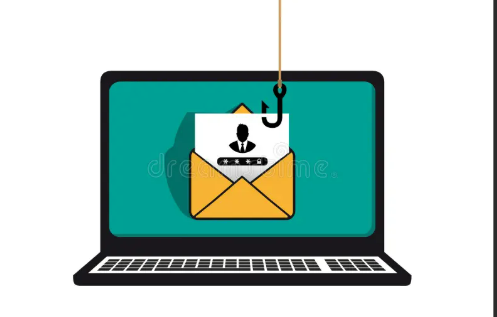
Scammers send fake emails or text messages pretending to be trusted companies (banks, delivery services, or government agencies) to steal personal information.
🔹 How to Spot It:
✔ The message has urgent wording like “Your account is at risk!”
✔ The sender’s email address looks slightly wrong (e.g., support@bankofamerrica.com).
✔ It asks you to click a link or download an attachment.
🚫 How to Stay Safe:
Use spam filters to block suspicious emails.
Never click links in unexpected messages—go to the official website instead.
Banks and government agencies NEVER ask for personal details via email or text.
Phone Scams
📞 What It Is:
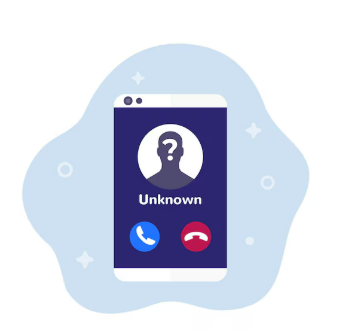
Scammers call pretending to be from your bank, Medicare, or even a family member in trouble, hoping to trick you into sending money or revealing information.
🔹 How to Spot It:
✔ The caller demands immediate action or payment.
✔ They request personal information (Social Security number, credit card details).
✔ They refuse to provide proof of their identity.
🚫 How to Stay Safe:
Never send money or gift cards to unknown callers.
Hang up if someone pressures you for information.
Verify by calling the official number of your bank or Medicare.

Tech Support Scams
💻 What It Is:
Scammers pose as Microsoft, Apple, or other tech companies and claim your computer is infected, demanding payment to “fix” the issue.
🔹 How to Spot It:
✔ Unsolicited pop-ups say your computer is compromised.
✔ A caller or email insists on remote access to your device.
✔ They ask for payment before fixing anything.
🚫 How to Stay Safe:
Only seek help from official support pages or trusted professionals.
Legitimate tech companies NEVER call you randomly.
Ignore pop-up warnings demanding immediate action.
Medicare & Social Security Scams
🩺 What It Is:
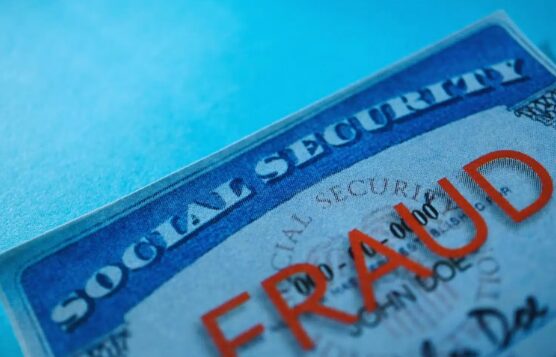
Scammers pretend to be from Medicare or Social Security, tricking seniors into revealing personal details or paying for fake services.
🔹 How to Spot It:
✔ The scammer threatens loss of benefits if you don’t comply.
✔ They ask for sensitive details like your SSN or bank information.
✔ The message or call pressures you into immediate action.
🚫 How to Stay Safe:
Never pay for Medicare services that should be free.
Medicare and Social Security NEVER ask for personal info over the phone.
Hang up and call 1-800-MEDICARE or Social Security’s official number to verify.
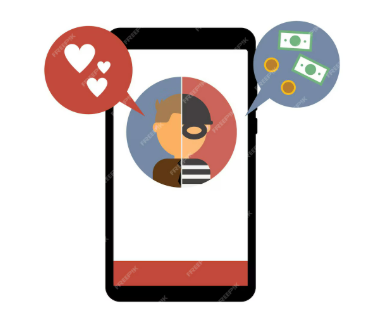
Romance Scams
❤️ What It Is:
Fraudsters pose as love interests online, gaining trust before asking for money or personal details.
🔹 How to Spot It:
✔ They refuse to meet in person or video call.
✔ Their social media profile looks fake or has few posts.
✔ They ask for financial help—especially for travel or medical expenses.
🚫 How to Stay Safe:
Be cautious if they seem too perfect or rush the relationship.
Never send money to someone you haven’t met.
Reverse image search their profile picture—it may belong to someone else.
Think This Might Be Your Situation?
Let us know!
Leave a Reply